Driving Smart Around the Bend
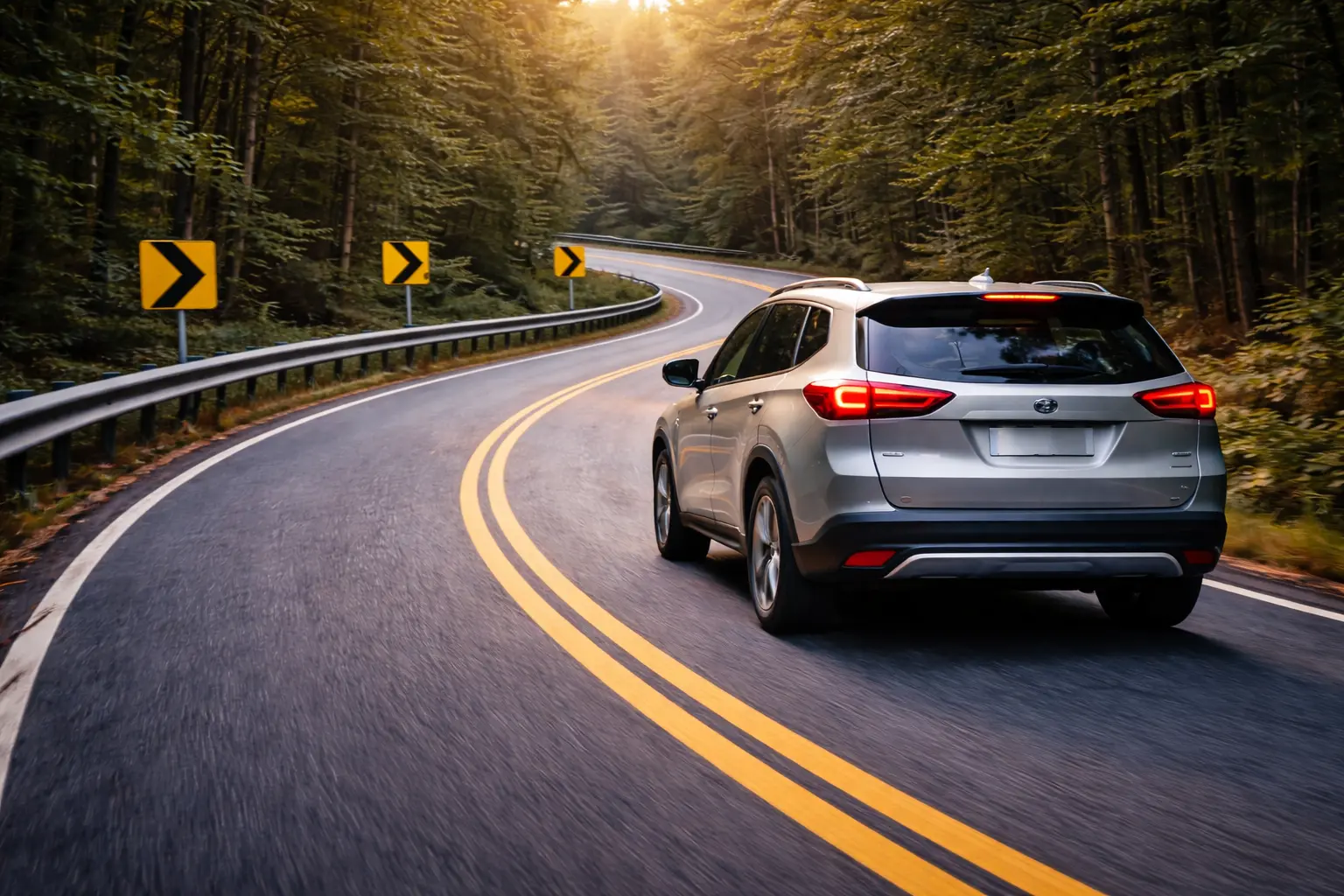
Navigating winding roads can be tricky even for experienced drivers. Add in unpredictable Texas weather and heavy traffic, and those curves become serious safety concerns. That’s where modern technology steps in. One of the most underappreciated safety tools in today’s vehicles is the Curve Speed Warning (CSW) system, a passive feature within the broader umbrella of Advanced Driver Assistance Systems (ADAS).
At Houston ADAS, based in Porter, TX, we specialize in ADAS calibration and diagnostics. We’ve seen firsthand how features like CSW can make a real difference in keeping drivers safe. It’s not just about alerts, it’s about giving drivers the confidence to tackle any curve, whether they’re commuting through Kingwood or navigating backroads in New Caney. In this article, we’ll break down how Curve Speed Warning works, why calibration matters, and what sets our service apart.
Frequently Asked Questions
Q: Do all vehicles come with Curve Speed Warning systems?
A: No, CSW systems are typically found in newer models and vehicles equipped with advanced safety packages. Not all makes and models include this feature by default.
Q: How often should a CSW system be calibrated?
A: Any time your vehicle has been in an accident, had a windshield or suspension repair, or undergone wheel alignment, your CSW, and other ADAS features, should be calibrated.
Q: Is CSW the same as traction or stability control?
A: No. CSW is a predictive system that gives drivers alerts before entering a curve too fast. Traction and stability controls are reactive systems that kick in during or after loss of grip.
Understanding Curve Speed Warning Systems
A Curve Speed Warning system alerts the driver when they are approaching a curve too quickly for safe navigation. Using data from GPS and onboard sensors, it calculates the recommended safe speed for an upcoming curve. If the vehicle’s speed exceeds that, it issues an alert, either through visual indicators, audio warnings, or seat vibrations.
This technology becomes especially useful in low-visibility situations or on unfamiliar roads. According to the NHTSA, loss of control on curves contributes to a significant number of serious crashes. CSW systems reduce risk by prompting proactive driver behavior.
The more curves you encounter, like those common throughout the Houston area’s suburban sprawl, the more value a CSW system provides. It can be the difference between a controlled turn and a dangerous overcorrection.
How It Works with Other ADAS Features
Although CSW itself is a passive system (meaning it doesn’t automatically slow the vehicle), it often integrates with active safety systems such as:
- Adaptive Cruise Control (ACC): Helps reduce speed proactively
- Lane Keep Assist (LKA): Keeps the vehicle centered during the turn
- Electronic Stability Control (ESC): Engages if traction is lost
Together, these features form a digital co-pilot, analyzing surroundings and helping maintain vehicle control. For example, if CSW determines you’re going too fast, ACC can reduce your speed gradually. Meanwhile, LKA ensures you don’t drift out of your lane, especially important when turning on narrow or high-speed curves.
This layered safety approach is only effective if each system is calibrated to work with the others. Misalignment in one could lead to performance gaps in all.
Why ADAS Calibration is Essential
CSW relies on data from cameras, GPS modules, and radar or lidar sensors. If any of these components are out of sync, the system may provide incorrect or delayed warnings. At Houston ADAS, our certified technicians use OEM-approved tools and conduct post-calibration test drives to ensure everything functions accurately.
Precision matters. A poorly calibrated system can mean false alerts, or worse, missed ones. That’s why we never cut corners. Our climate-controlled calibration lab ensures consistent environmental conditions for every service, and our team follows OEM standards on every vehicle we service.
You should get your CSW and related systems recalibrated if:
- You’ve had a windshield or bumper replaced
- Your vehicle has been in a collision
- Suspension or steering components have been serviced
- You’ve made any modifications that affect the ride height or wheel alignment
Explore more about the process on our ADAS Calibration Services page.
Trusted Service for Houston’s Drivers
Houston ADAS isn’t just another calibration shop, we’re a Certified Calibration Center serving Porter, Kingwood, New Caney, and the entire Greater Houston area. Our facility is purpose-built for precision, and our team is trained to deliver dealership-level accuracy with independent shop-level service.
Here’s what you can expect when you choose us:
- An in-house calibration lab with environmental controls
- OEM-level diagnostic and calibration software
- Electronic scheduling and real-time updates
- Pick-up and delivery for local shops and fleets
We’re proud partners with local body shops, service departments, and even auction fleets who trust us to get vehicles road-ready. Whether it’s a luxury sedan or a heavy-duty pickup, we have the equipment and know-how to get it done right.
Your Safety Starts with Precision
ADAS technologies like Curve Speed Warning are here to make driving safer, but they only work when calibrated properly. Don’t leave your safety up to chance.
When your vehicle feels off around turns, or if you’ve had recent repairs or upgrades, it’s time to ensure your CSW and related systems are dialed in.
Call Now or visit our Contact Page to book your appointment today.
With over three decades of management and operational experience, David Evans has built Houston ADAS from the ground up, focusing on precisely calibrating ADAS systems. His leadership is guided by a passion for automotive safety and a deep understanding of the ADAS landscape. David is not just a visionary; he’s a hands-on leader with I-Car ProLevel 1 and 2 ADAS certifications, ensuring he stays connected to the core operations of his business.