
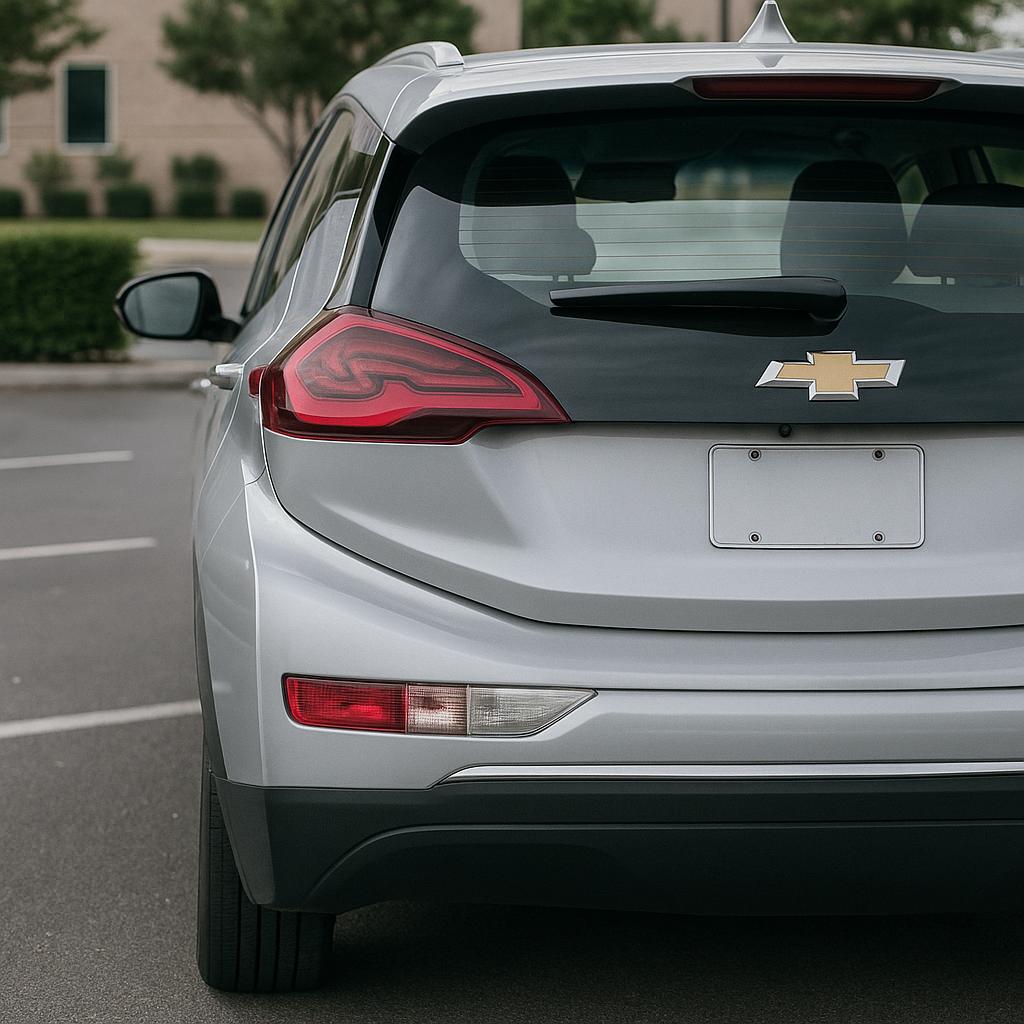
Imagine you’re merging onto Highway 59 near Lake Houston Wilderness Park, or navigating the busy intersection at Northpark Drive and Loop 494 in Kingwood. These areas are notorious for tight traffic and limited visibility–exactly where your Chevy Bolt’s Side Blind Zone Alert (SBZA) system plays a vital role. As vehicles like the 2017 Chevy Bolt EV continue to evolve with advanced safety features, maintaining the performance of these systems becomes more critical than ever. Among the most essential is the SBZA–a technology that enhances driver awareness by monitoring areas that traditional mirrors can’t reach. When this system malfunctions, the risk to drivers and passengers increases significantly.
At Houston ADAS, based in Porter, Texas, we are a trusted destination for electric and hybrid vehicle owners who demand accurate, OEM-level ADAS service. Our certified technicians, in-house calibration lab, and access to original equipment software ensure that every system–especially safety-critical ones like SBZA–is returned to peak performance.
In the sections that follow, we’ll explore a real-world scenario involving a faulty SBZA system in a 2017 Chevy Bolt. You’ll learn about common causes of failure, how expert diagnostics are performed, and why relying on certified professionals like those at Houston ADAS ensures both safety and peace of mind.
Top Causes of Blind Spot System Failures in the Chevy Bolt
Blind spot detection issues can be triggered by a number of factors, particularly in the aftermath of a collision or even minor body repairs. For the Chevy Bolt, these problems often stem from:
- Sensor misalignment due to rear bumper damage
- Software calibration drift after battery replacement or module updates
- Damaged or improperly reinstalled wiring harnesses
- Use of non-OEM parts that interfere with sensor operation
In this case, the customer noticed the SBZA warning indicator remained active after a minor rear-end collision. Despite no visual damage, the alert system was no longer detecting vehicles in the blind zone, a serious safety risk.
Another common cause is related to environmental factors such as extreme humidity or dust accumulation, which can interfere with radar sensor operation. The Chevy Bolt uses radar-based blind spot sensors embedded in the rear quarter panels, and even slight obstructions or improper alignment can render the system ineffective.
For more information on how these systems are designed to work, and why they matter, see General Motors’ official safety site.
Pro Tip: Always request a post-repair ADAS inspection–even if the damage seems minor. Many blind spot sensors are affected by alignment shifts that are invisible to the naked eye.
How Certified Technicians Diagnose Blind Spot Alert Failures
At Houston ADAS, we began with a comprehensive pre-scan using OEM diagnostic tools. Unlike generic scanners, OE software allows our team to detect specific fault codes related to the SBZA module.
Step-by-step diagnostic process:
- Initial visual inspection of the rear bumper and radar sensors
- Scan for fault codes using GM OE software
- Review of previous repairs and parts used
- Verification of module firmware versions and calibrations
- Bench testing of radar units (if needed)
In this case, the SBZA module was not communicating properly due to an outdated calibration file post-repair. Only a certified calibration facility with access to GM software could correctly diagnose and fix the issue.
We also verify if replacement parts were installed correctly. Improper torquing, incorrect mounting angles, or non-OEM bumpers can all affect sensor readings. Our technicians also check for electromagnetic interference (EMI) sources that could interfere with radar functionality.
For an overview of our comprehensive inspection methods, see our diagnostics page.
The Recalibration Process for Chevy Bolt Side Blind Zone Alerts
Recalibrating ADAS sensors is both an art and a science. At Houston ADAS, we operate in a controlled lab environment where external interference is minimized–a major advantage over mobile or in-body-shop calibration setups.
Our certified calibration process includes:
- Mounting the vehicle on a level surface with proper target positioning
- Using GM-specified targets and alignment measurements
- Resetting the SBZA module to factory parameters
- Post-calibration validation via road testing
We use specialized tools that allow us to align the sensor angles down to millimeter-level precision. Additionally, we check system latency and real-time responsiveness to ensure that vehicles entering the blind zone are detected immediately.
Because the Chevy Bolt is an electric vehicle, battery health and voltage levels are monitored during calibration to ensure signal consistency. An unstable power supply can skew calibration results or prevent system resets.
We also take advantage of our in-house calibration bay, which allows precise control of lighting, angles, and sensor alignment–a luxury many general repair shops can’t offer. This environment reduces the margin of error and increases calibration success rates.
For more on our specialized calibration setup, visit our ADAS Calibration Services page.
Pro Tip: Recalibration isn’t just a one-time fix–it should be part of routine post-collision service, especially for EVs.
FAQ
Q1: How long does a blind spot sensor recalibration typically take? A1: On average, the recalibration process for the SBZA system takes about 1.5 to 2 hours, depending on the condition of the vehicle and whether additional diagnostics are needed.
Q2: Can blind spot sensors be calibrated at home or with DIY tools? A2: No. These systems require precise alignment and specialized equipment, which can only be found in certified ADAS calibration centers like Houston ADAS.
Q3: Do I need to recalibrate after a software update or battery replacement? A3: Yes. Software updates and major electrical service like battery replacement can affect sensor communication and calibration settings. It’s best to verify calibration after such services.
Why Ignoring a Blind Zone Alert Can Be Dangerous
SBZA systems are not just convenience features–they’re safety lifelines. When they fail, drivers are left vulnerable to lane-change accidents and side-swipes. Inconsistent blind spot detection has been directly tied to increased crash rates in urban traffic.
Beyond personal risk, driving a vehicle with known ADAS issues may:
- Affect your insurance claims post-accident
- Result in failed state inspections (in some jurisdictions)
- Devalue the vehicle upon resale
- Violate lease agreements or certified pre-owned warranties
It’s also worth noting that newer vehicles log system malfunctions in onboard diagnostics, which can be read by dealerships or potential buyers. Choosing not to address these issues can reflect poorly during trade-ins or resale.
Houston ADAS helps you avoid those risks with certified, documentable calibrations that meet OEM and insurer standards.
Book Your Blind Spot Repair with Houston ADAS Today
If your Chevy Bolt’s Side Blind Zone Alert system isn’t functioning properly, don’t risk your safety–or someone else’s. Trust the team at Houston ADAS to diagnose, recalibrate, and validate your ADAS system with precision and integrity.
Our facility in Porter, TX is equipped to serve the entire Greater Houston area, including Kingwood, New Caney, and Humble. Whether you’re a body shop manager or an EV driver, our services are tailored to ensure your vehicle leaves with safety systems performing at factory standards.
We don’t just fix the issue–we document, validate, and stand behind every calibration.
Call us at (281) 354-8777 or schedule your service online today.